






A crack is a fracture that occurs on the surface or inside of a tooth. Some cracks develop gradually and may go unnoticed, while others can be clearly visible and cause pain.
When a tooth is cracked, it may cause pain while chewing or increased sensitivity. A tooth crack refers to a fracture or split that can occur in the enamel, the deeper dentin layer, or even extend to the nerve of the tooth. Some cracks may be too small to be seen with the naked eye, while others can be quite visible and extensive.
If left untreated, a cracked tooth may lead to pain, sensitivity, and eventually tooth loss.
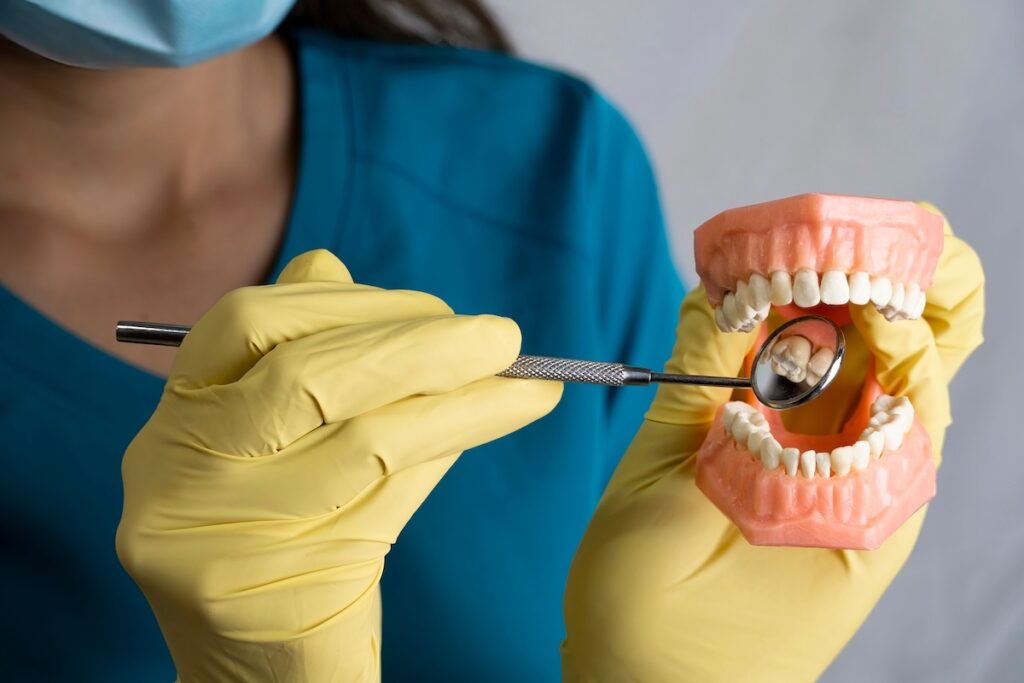
WHAT ARE THE SYMPTOMS OF A CRACKED TOOTH?
A cracked tooth can present with various symptoms, including pain while chewing, sensitivity to hot and cold, and sudden sharp pain or discomfort. These symptoms may not occur in every patient, and some people may not experience any noticeable symptoms at all.
The symptoms can also vary depending on the size and depth of the crack.
The Most Common Symptoms:
• Sudden and sharp pain
• Pain while chewing
• Sensitivity to hot, cold, and sweet foods or drinks
• Localized pain
• Swelling of the gums
WHAT CAUSES A TOOTH TO CRACK?
• Eating Hard Foods: Consuming hard foods such as nuts, hard candies, or ice can cause cracks in the teeth.
• Bruxism (Teeth Grinding): Clenching or grinding the teeth during sleep can gradually weaken the tooth structure and lead to cracks.
• Trauma and Injuries: Falls, blows to the jaw, or accidents can place sudden pressure on the teeth and jaw, causing cracks.
• Fillings: Large fillings that were placed many years ago may weaken the natural tooth structure over time and increase the risk of cracking.
• Sudden Temperature Changes: Rapid temperature changes, such as drinking ice-cold water immediately after hot tea, may put stress on the tooth enamel and contribute to damage over time.
• Age: As we age, tooth enamel naturally wears down and becomes weaker, increasing the risk of cracks.
• Tooth Structure: Genetic factors, inadequate nutrition, and similar conditions may cause the tooth enamel to be structurally weaker and more susceptible to cracking.


