






Sudden twinges in your teeth, pain when drinking something cold, or discomfort after eating sweet foods are often attributed to tooth sensitivity. However, these symptoms can sometimes indicate tooth decay.
Although tooth sensitivity and tooth decay can cause similar symptoms, their causes, signs, and treatment options differ. So, how can you tell whether your pain is caused by sensitivity or decay?

What Is Tooth Sensitivity?
Tooth sensitivity occurs when the protective enamel layer wears down or the gums recede, exposing the underlying dentin.
When this happens, hot, cold, sweet, or acidic foods and drinks can cause brief, sharp pain in the teeth.
Common causes of tooth sensitivity include:
- Brushing too hard
- Gum recession
- Frequent consumption of acidic foods and drinks
- Tooth enamel erosion
- Teeth clenching and grinding
- Improper use of teeth whitening treatments
What Is Tooth Decay?
Tooth decay develops when bacteria in the mouth break down sugars and carbohydrates, producing acids that damage tooth structure.
Decay may not cause any symptoms in its early stages. As it progresses, however, it can spread through the enamel into the dentin and even reach the pulp, which contains the tooth’s nerves.
Possible signs of tooth decay include:
- Brown, black, or white spots on a tooth
- Pain when consuming sweet, hot, or cold foods and drinks
- Sensitivity when chewing
- Toothache that starts without an obvious trigger
- Pain that worsens at night in advanced cases
Key Differences Between Tooth Sensitivity and Tooth Decay
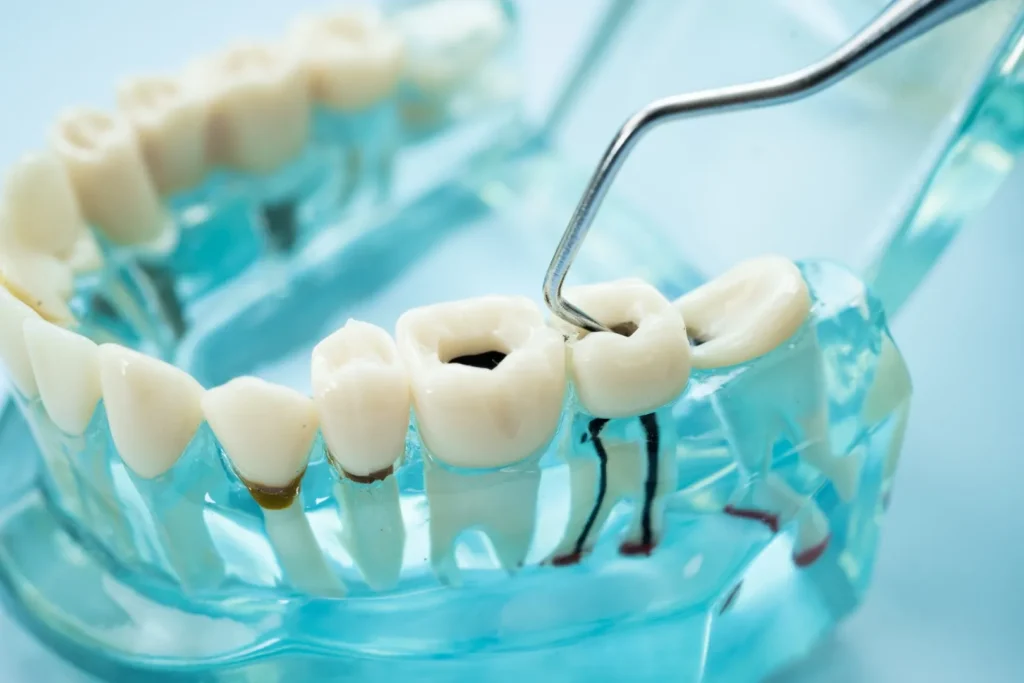
Certain signs may help distinguish between the two conditions:
Tooth Sensitivity
- Usually causes sudden, short-lived, sharp pain.
- Can be triggered by cold air or cold drinks.
- May affect more than one tooth.
- The pain usually subsides once the trigger is removed.
- May be associated with enamel erosion or gum recession.
Tooth Decay
- The pain may gradually worsen.
- Can cause pain when consuming sweet, hot, or cold foods and drinks.
- May be concentrated in a specific tooth.
- The pain may continue after the trigger is removed.
- Results from damage to tooth structure caused by bacteria.
For tooth sensitivity: Treatment options may include desensitizing toothpaste, fluoride applications, and gum treatments when necessary.
For tooth decay: Depending on the extent of the decay, treatment may involve a filling, root canal treatment, or other restorative procedures. Early diagnosis is essential for preserving tooth structure.
Do Not Ignore Twinges of Tooth Pain!
Not every twinge of tooth pain means you have decay, and not all sensitivity is caused by simple enamel wear. Pain that is concentrated in one tooth, gradually worsens, or lingers after consuming hot or cold foods and drinks should be evaluated by a dentist.
Remember, early diagnosis of dental problems makes treatment easier and helps preserve your natural tooth structure.
Regular dental checkups are necessary to identify the cause of tooth sensitivity or pain. You can visit our İnci Dental Clinics for an examination and information about treatment costs.


