







Удаление зубного камня — одна из важных процедур, которую следует проводить регулярно для поддержания здоровья полости рта и зубов. Однако у некоторых людей после процедуры может наблюдаться временная чувствительность или дискомфорт в зубах.
Такая чувствительность, особенно при употреблении холодной, горячей, сладкой или кислой пищи и напитков, обычно не является поводом для беспокойства. Зубной камень — это бактериальный налет, который накапливается на зубах и со временем затвердевает. В процессе удаления зубного камня удаляются отложения на поверхности зубов и вокруг десен.
Если зубной камень долгое время остается на зубах, это может вызвать рецессию или воспаление десен. После чистки эти участки становятся более открытыми, и поверхности зубов, ранее покрытые зубным камнем, могут стать более чувствительными к горячему и холодному. Поэтому чувствительность, возникающая после процедуры, обычно не означает, что зубы повреждены.
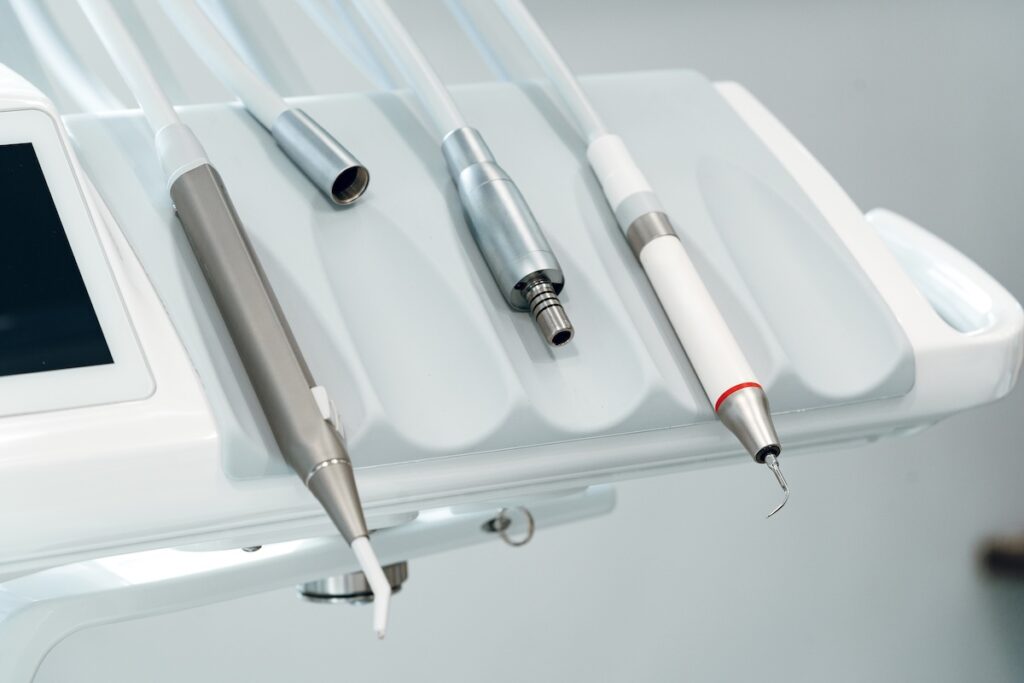
Почему зубы становятся чувствительными к холоду после удаления зубного камня?
Одной из наиболее распространенных причин кратковременной чувствительности при употреблении холодной воды или напитков, а также мороженого является обнажение корней зубов или более чувствительного слоя зуба, известного как дентин.
У людей с рецессией десны часть корня зуба может обнажиться. Поверхность корня более чувствительна к внешним раздражителям, чем та часть зуба, которая покрыта эмалью. Поэтому после удаления зубного камня при контакте зубов с холодными веществами может возникнуть кратковременная чувствительность.
Как долго сохраняется чувствительность?
Повышенная чувствительность после удаления зубного камня обычно носит временный характер. В зависимости от состояния десен, количества зубного камня и сложности процедуры чистки, она может сохраняться в течение нескольких дней.
Ожидается, что чувствительность будет постепенно снижаться. Однако, если боль очень сильная, длится долгое время или ощущается сильная боль в одном конкретном зубе, следует обратиться к стоматологу для обследования.
Как можно уменьшить чувствительность после удаления зубного камня?
• В течение нескольких дней избегайте очень горячей или очень холодной пищи и напитков.
• Можно использовать зубную пасту, специально разработанную для чувствительных зубов.
• Зубы следует чистить мягкой зубной щеткой, не прилагая чрезмерного давления.
• Потребление кислых и чрезмерно сладких продуктов и напитков может быть ограничено.
• Уход за полостью рта не должен прерываться, и зубы следует продолжать регулярно чистить.
Когда следует обратиться к стоматологу?
Незначительная и временная чувствительность после удаления зубного камня может считаться нормальной. Однако следует обратиться к стоматологу, если чувствительность сохраняется длительное время, боль усиливается, возникает значительная и постоянная боль в одном зубе, боль появляется при жевании, наблюдается заметный отек или кровотечение десен, или боль продолжается длительное время после прекращения воздействия горячего или холодного раздражителя.
Эти симптомы могут быть связаны не только с зубным камнем. Кариес, заболевания десен, трещина в зубе или другая стоматологическая проблема также могут вызывать повышенную чувствительность.
Информацию о ценах вы можете получить в нашей стоматологической клинике INCIDIS.


